

Whether you’ve spilled cooking oil, knocked over an essential oil diffuser or accidentally tracked grease onto your carpet, oily stains can be particularly tricky to remove.
Unlike water-based spills, oil and grease can cling to carpet fibres, leaving dark, stubborn marks that won’t disappear with a quick wipe. And if they’re not treated correctly, these stains can become even more difficult to shift.
The good news? With the right approach, many oil and grease stains can be lifted from carpets without causing further damage.
why are oil and grease stains so hard to remove from carpets?
Whether you’ve spilled cooking oil, knocked over an essential oil diffuser or accidentally tracked grease onto your carpet, oily stains can be particularly tricky to remove.
Unlike water-based spills, oil and grease can cling to carpet fibres, leaving dark, stubborn marks that won’t disappear with a quick wipe. And if they’re not treated correctly, these stains can become even more difficult to shift.
The good news? With the right approach, many oil and grease stains can be lifted from carpets without causing further damage.
getting essential oils and cooking oil stains out of carpet
Although they’re tricky to remove from carpets, essential oils and cooking oils can be removed with the right time and technique.
The most important thing to try and remember is patience – rubbing too hard will only spread the stain, making your carpet cleaning job much harder in the long run.
Step 1: Blot up the excess oil: Using a clean, dry cloth or tea towel or paper towel, gently blot the affected area to absorb as much oil as possible. Avoid rubbing, as this can spread the oil further into the carpet fibres. Just push the towel or cloth in, then lift away.
Step 2: Absorb the remaining oil: If suitable for your carpet, sprinkle a small amount of bicarbonate of soda or cornflour over the stain to help absorb the oily residue. Leave it for around 15 – 30 minutes, keeping children and pets away from the area.
Step 3: Carefully remove the powder: Gently lift away the powder using a vacuum cleaner. Avoid using a carpet cleaner directly over loose powder, as this may cause blockages.
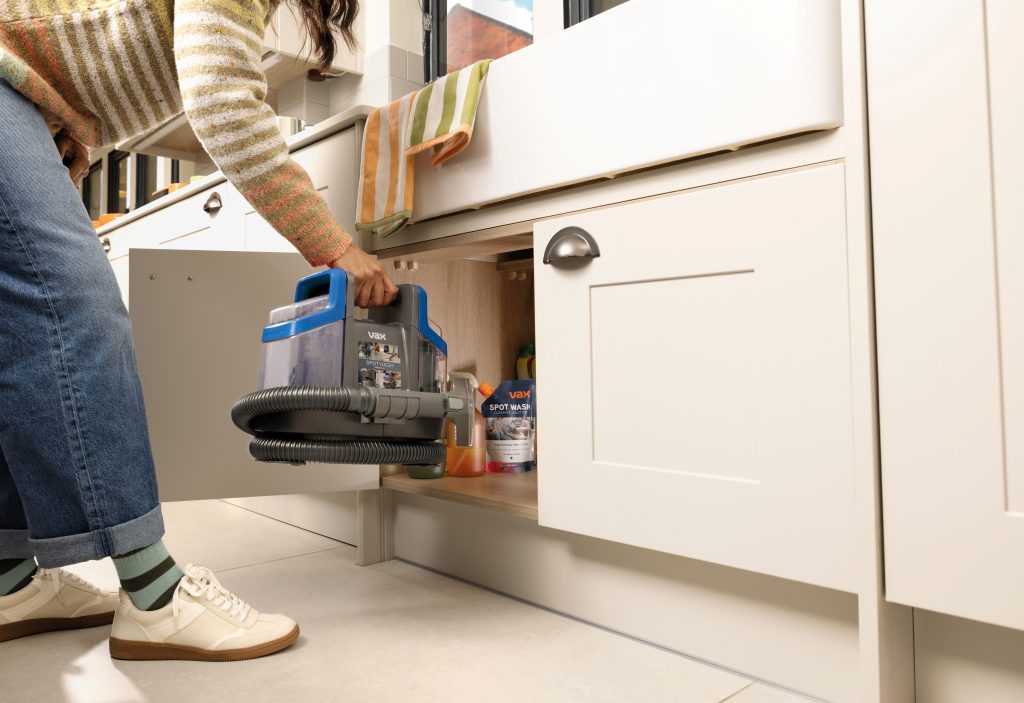
Step 4: Treat any remaining mark: If the stain is still visible, use a carpet-safe stain remover that’s specifically suitable for oily stains and compatible with your carpet. You can also use a spot washer to target the stain – go in slow, gentle passes to keep your cleaning focused.
Step 5: Allow the carpet to dry: Let the area dry completely before walking on it, and check whether any residue remains.
If the oil has discoloured the carpet, professional treatment may be needed, as cleaning cannot always reverse dye damage.
getting grease out of your carpet
Grease stains can come from all sorts of everyday situations, including dropped food, cooking splashes, bicycle chains and greasy footwear. Because grease is often thicker than liquid cooking oil, it can cling stubbornly to carpet fibres. Here’s how to tackle it.
Step 1: Remove excess grease: If the grease is thick, gloopy and semi-solid, carefully lift away as much as possible using a blunt spoon or similar tool, wiping ‘up’ from the stain to deposit the grease on a piece of paper or cardboard. Take care not to push the grease further into the carpet.
Step 2: Blot the affected area: Use a clean, dry cloth or paper towel to absorb any remaining surface residue. Avoid scrubbing or rubbing, and blot straight down, lifting the blotter straight up, to avoid spreading the grease spot.
Step 3: Apply an appropriate stain treatment: Use a carpet-safe stain removing product specifically recommended for greasy stains, checking that it’s suitable for your carpet material.
Step 4: Clean the affected area: Gently blot or clean the area according to the stain remover’s instructions. If you’re using a spot washer, only use compatible, Vax-approved cleaning solutions and follow the machine’s instructions. Do not put washing-up liquid, solvents or other unapproved chemicals into the machine.
Step 5: Dry and inspect: Allow the area to dry fully before checking the result. If a greasy mark remains, avoid repeatedly applying different products, as this could damage the carpet or leave behind residue.
For heavy mechanical grease or persistent stains, consider a professional carpet cleaner.
faq’s about carpet oil and grease removal
can i use washing up liquid to get oil or grease out of a carpet?
Although washing-up liquid is designed to cut through grease on dishes, it isn’t necessarily suitable for carpets. It can leave a soapy residue that’s difficult to rinse away, potentially attracting more dirt and grime over time. Excessive foam can also cause problems in carpet cleaning machines.
For this reason, it’s generally better to choose a carpet-safe cleaning product designed for oily stains rather than using washing-up liquid. Never add washing-up liquid to a Vax carpet cleaner or spot cleaner.
does bicarb of soda remove grease and oils from carpets?
Bicarbonate of soda can help absorb some fresh surface oil, but it won’t necessarily remove the entire stain. It can be useful as an initial treatment on suitable carpets, followed by a carpet-safe stain remover.
CAN I USE WHITE VINEGAR ON OIL STAINS?
White vinegar is sometimes recommended as a no-nonsense household cleaning solution, but it isn’t particularly effective at dissolving grease and may not be suitable for every carpet.
Some carpet fibres, dyes and finishes can be sensitive to acidic cleaning products, so a specialist carpet-safe grease remover is generally a more appropriate choice.
CAN I USE BLEACH TO REMOVE OIL STAINS FROM A CARPET?
Absolutely not, as household bleach can permanently discolour carpet fibres and may damage the material itself. Bleach should not be used as a general-purpose oil or grease stain remover. Never mix bleach with other cleaning products or add it to a carpet cleaning machine.
CAN I USE A STEAM CLEANER TO REMOVE GREASY AND OILY STAINS FROM CARPET?
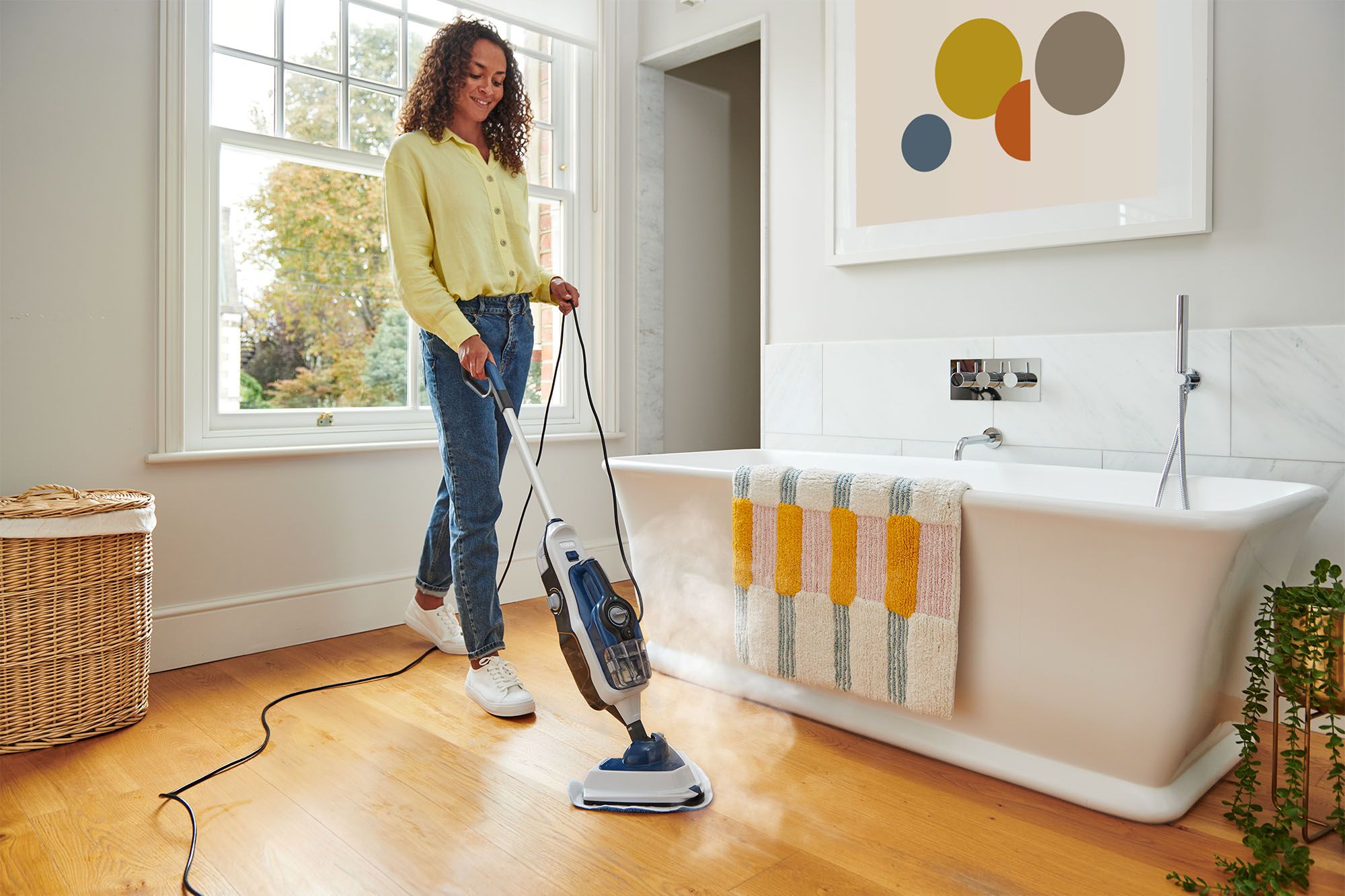
We’d advise against this; steam isn’t always suitable for treating grease stains.
Heat can affect certain carpet materials and may make some stains more difficult to remove, and as the oil or grease is heated, it has a tendency to spread further. Steam cleaners should also never be used on petrol or other flammable substances.
how can i remove old oil and grease stains from a carpet?
The honest answer here is you may be able to – but we’d advise you to keep your hopes in check. Older oil stains can be more difficult to remove because the residue may have penetrated deeper into the carpet fibres and carpet backing, and attracted a lot of dirt over time.
A specialist carpet-safe stain treatment may help, but results will depend on the type of oil, carpet material and how long the stain has been present. If the mark remains after appropriate treatment and you’ve tried to remove it several times, professional carpet cleaning may be the best option.
what do oily stains look like?
Oil and grease stains often appear as dark, slightly translucent patches on your carpet, making the affected fibres look wet or discoloured even when they’re completely dry. Unlike water-based spills, which typically dry without leaving a visible mark, oily stains can linger and become more noticeable over time – looking darker the older they get. They will also feel slippery or tacky to the touch, and may smell slightly.
Some oils, particularly essential oils and light cooking oils, may initially leave a faint mark that’s easy to overlook. However, as dust and dirt accumulate, the affected area can become increasingly noticeable.
If you spot an oily stain on your carpet, it’s best to tackle it as soon as possible to help prevent the residue from spreading or becoming more difficult to remove.







 Vax Staff